
Are you watching 97.65% of your website visitors leave without converting? You're not alone in this frustrating reality. The average website conversion rate across all industries hovers around 2.35%, which means the vast majority of your hard-earned traffic is walking away empty-handed.
But here's the encouraging news: most conversion problems have identifiable root causes and proven solutions. Through years of optimizing websites for businesses across various industries, we've identified seven critical conversion killers that consistently sabotage online success.
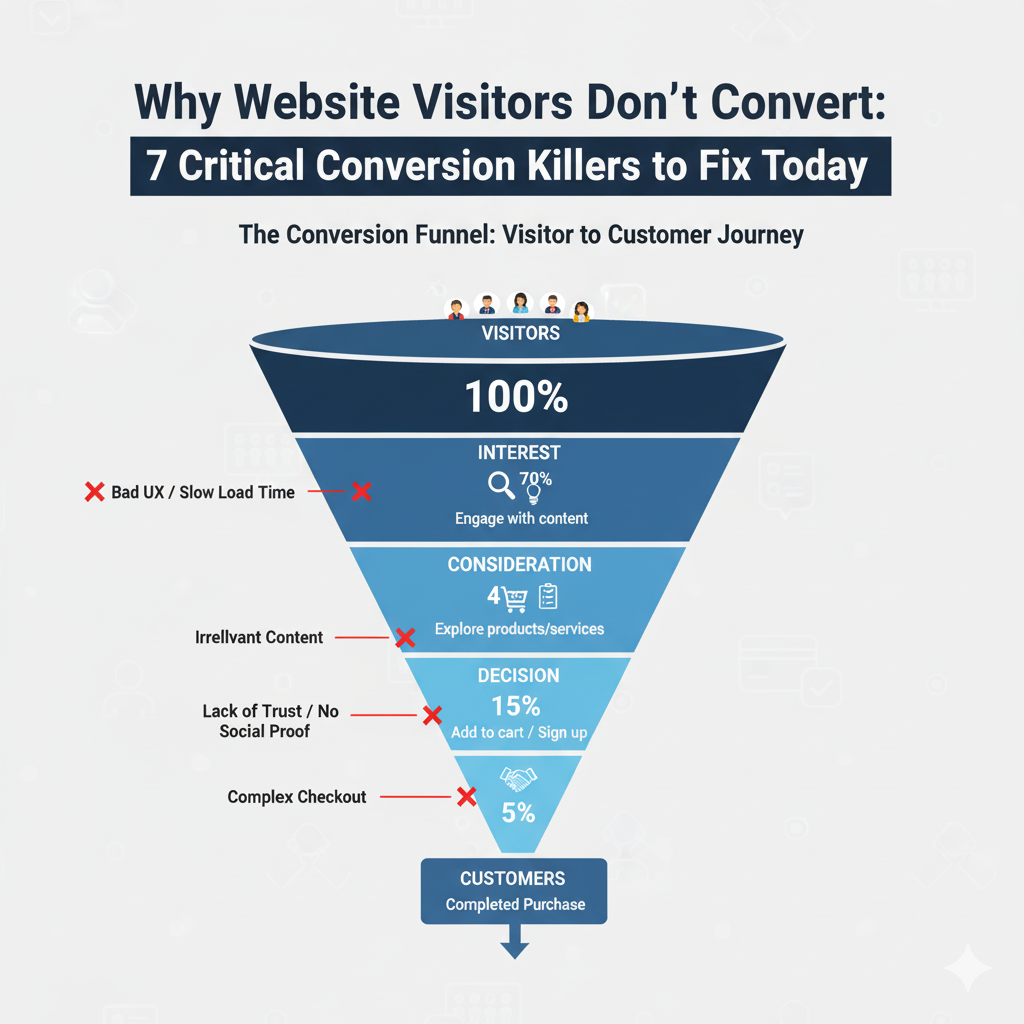
In this comprehensive guide, we'll dissect these conversion killers and provide you with actionable strategies to transform your website into a customer-generating machine.
The Science Behind Website Conversions
Website conversion occurs when a visitor completes a desired action—purchasing a product, signing up for a newsletter, requesting a consultation, or downloading a resource. Conversion Rate Optimization (CRO) is the systematic, data-driven process of increasing the percentage of visitors who take these valuable actions.
According to HubSpot's comprehensive research, companies implementing above-average conversion strategies experience 3x more revenue growth compared to those with below-average performance. This isn't just about tweaking button colors—it's about understanding human psychology and removing barriers to action.
The 7 Critical Conversion Killers Sabotaging Your Success
1. Catastrophic Loading Speed: The 3-Second Death Sentence
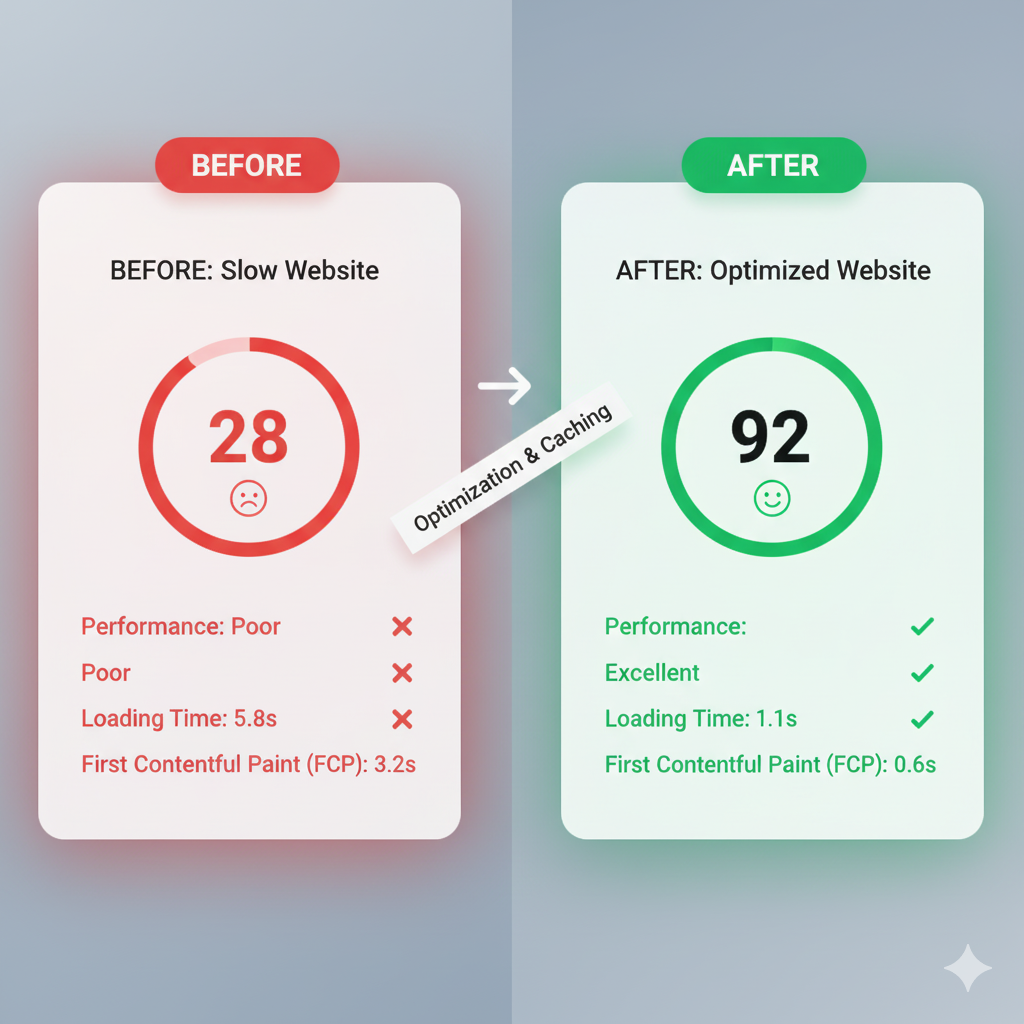
The Problem: Website speed isn't just about user experience—it's directly tied to your bottom line. Google's extensive research reveals that 53% of mobile users abandon sites taking longer than 3 seconds to load. Even worse, a 1-second delay in page response can result in a 7% reduction in conversions.
💡 Speed Impact on Revenue
For an e-commerce site generating $100,000 daily, a 1-second delay costs $2.5 million annually in lost sales.
Professional Solutions:
- Image Optimization: Implement WebP format with progressive loading and appropriate compression ratios
- Infrastructure Upgrades: Deploy Content Delivery Networks (CDN) and SSD-based hosting solutions
- Code Optimization: Minify CSS/JavaScript files and eliminate render-blocking resources
- Caching Strategies: Implement browser caching, server-side caching, and database query optimization
- Performance Monitoring: Use tools like GTmetrix and Google PageSpeed Insights for continuous monitoring
2. User Experience Friction: Creating Barriers Instead of Bridges
The Problem: Poor UX design creates cognitive friction that exhausts users before they reach your conversion goal. When visitors can't intuitively navigate your site or understand your offering within seconds, they bounce to competitors who make the journey effortless.
Strategic Solutions:
- Navigation Architecture: Implement logical menu hierarchies with breadcrumb navigation
- Visual Hierarchy: Use strategic white space and typography to guide attention
- Progressive Disclosure: Present information in digestible chunks rather than overwhelming walls of text
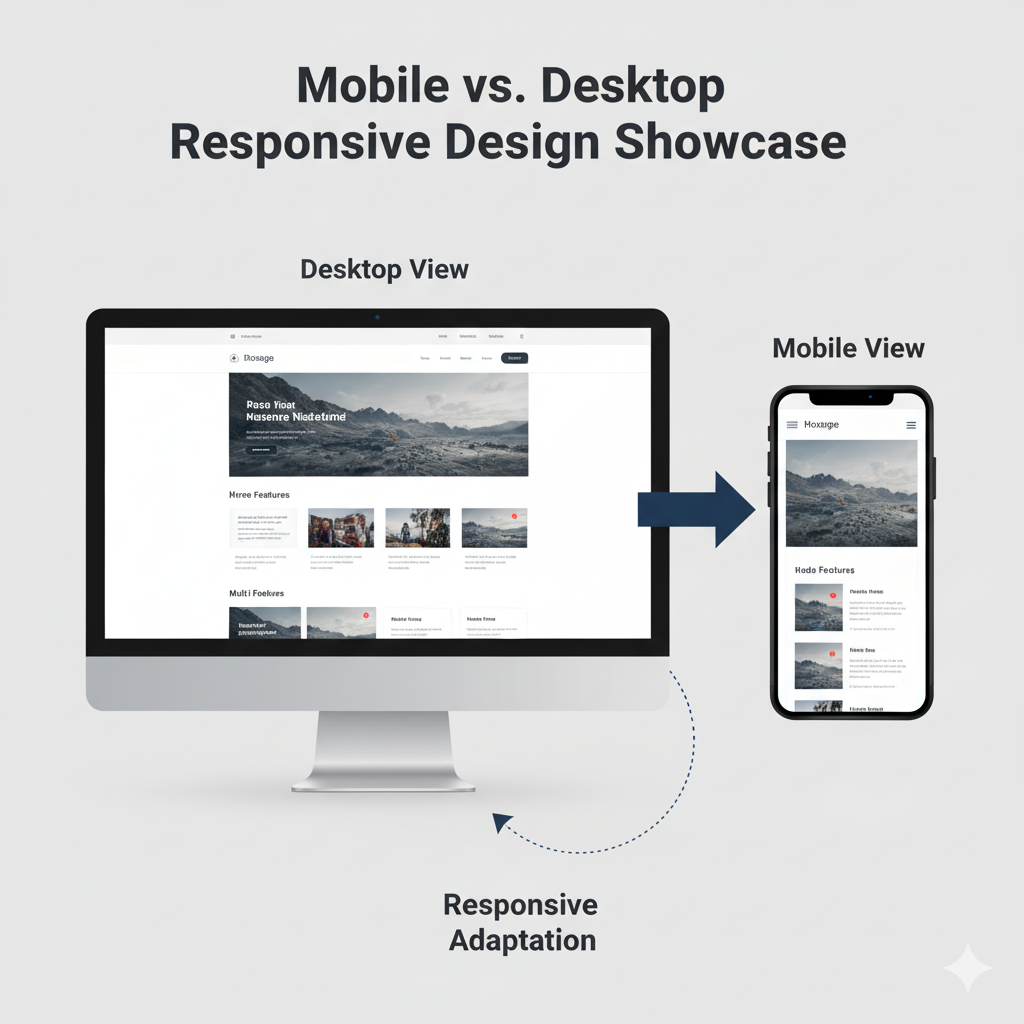
- Mobile-First Design: Ensure seamless experiences across all device types
- User Testing: Conduct regular usability tests with real users to identify friction points
3. Weak Value Proposition: Failing to Answer "What's In It For Me?"
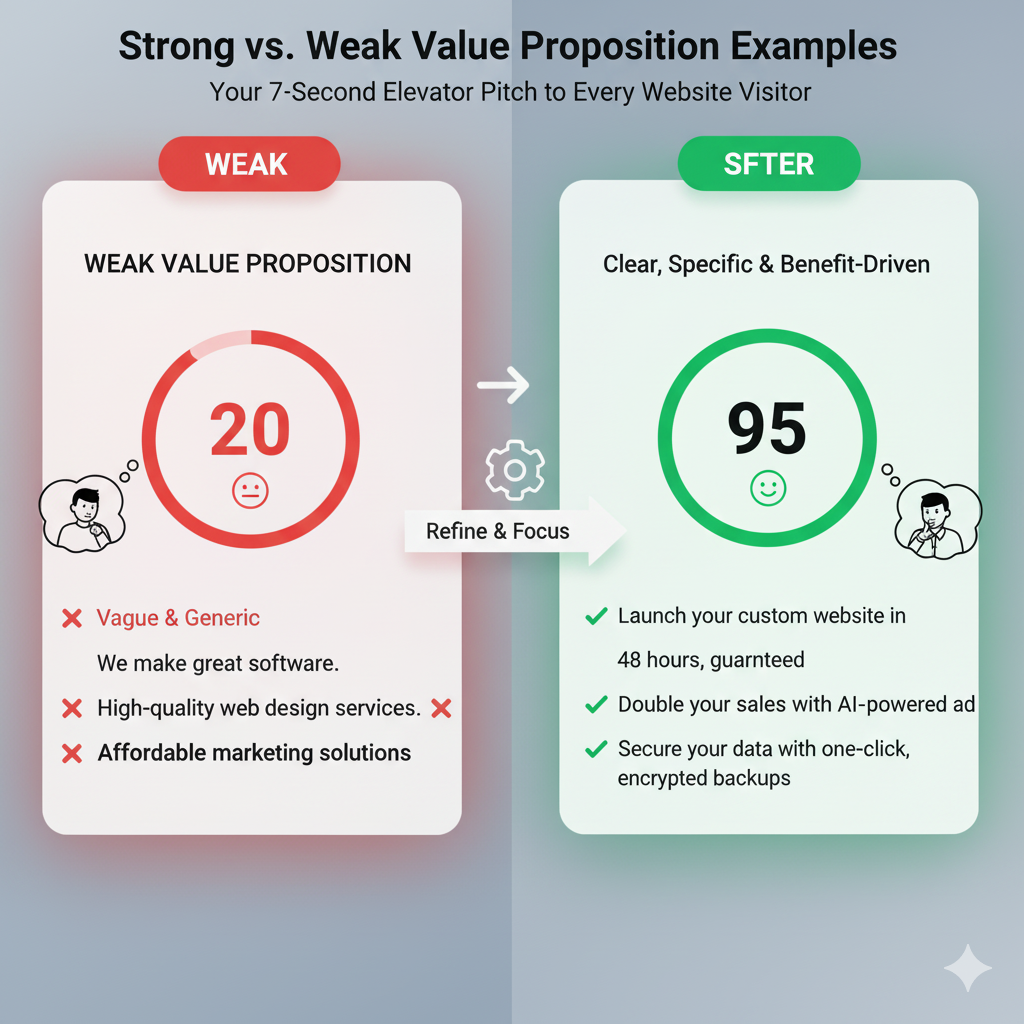
The Problem: Your value proposition is your 7-second elevator pitch to every website visitor. If users can't immediately understand what you offer, why they should care, and how you're different from competitors, they'll leave faster than they arrived.
Compelling Solutions:
- Clarity Over Cleverness: Use straightforward language that clearly communicates benefits
- Benefit-Focused Messaging: Emphasize outcomes and results rather than features and processes
- Social Proof Integration: Incorporate customer testimonials and success metrics
- Unique Differentiation: Clearly articulate what makes you the obvious choice
- Emotional Connection: Address pain points and aspirations that resonate with your audience
4. Trust Signal Deficiency: Security and Credibility Gaps
The Problem: Online consumers are naturally skeptical about sharing personal information or making purchases from unfamiliar websites. Without proper trust indicators, even interested visitors won't feel confident enough to convert.
Trust-Building Strategies:
- Security Certifications: Display SSL certificates, security badges, and compliance certifications prominently
- Authentic Testimonials: Include customer photos, full names, and verifiable details
- Business Transparency: Provide clear contact information, physical addresses, and team information
- Risk Reversal: Offer money-back guarantees, free trials, and clear return policies
- Third-Party Validation: Showcase awards, certifications, and verified review platform ratings
5. Checkout Process Complexity: Building Unnecessary Barriers
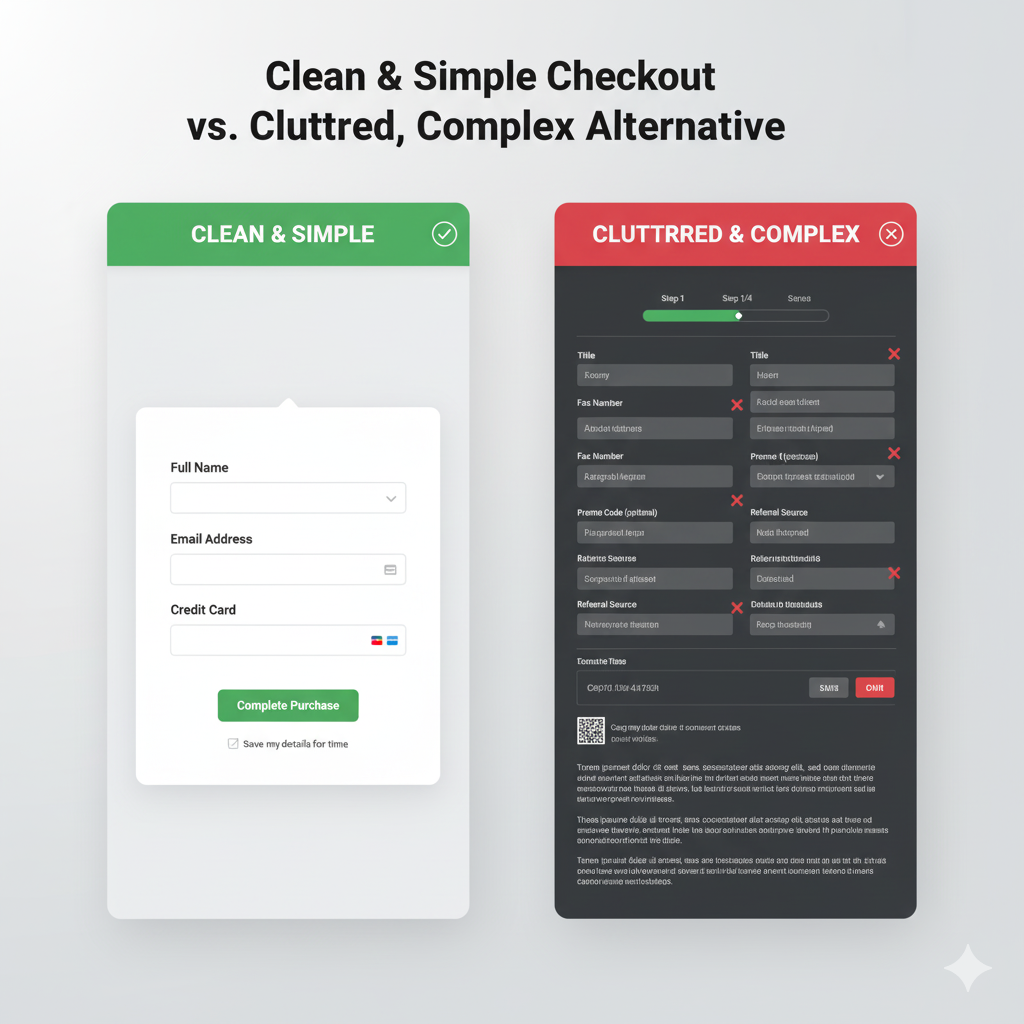
The Problem: The Baymard Institute's comprehensive research shows that 70% of online shopping carts are abandoned, with complicated checkout processes being the primary culprit.
🛒 Cart Abandonment Reality
69.82% average cart abandonment rate across industries—that's 7 out of 10 ready-to-buy customers walking away
Conversion-Optimized Solutions:
- Guest Checkout Options: Allow purchases without forced account creation
- Form Field Minimization: Request only essential information required for transaction completion
- Progress Transparency: Display clear step indicators for multi-page checkouts
- Payment Flexibility: Offer multiple payment methods including digital wallets
- Cost Transparency: Display shipping costs, taxes, and delivery timeframes upfront
- Error Prevention: Implement real-time validation with helpful error messages
6. Ineffective Call-to-Action Strategy: Missing the Conversion Mark
The Problem: Weak, generic, or poorly positioned CTAs fail to guide visitors toward conversion. "Click Here" or "Submit" buttons don't create urgency, communicate value, or inspire action.
High-Converting CTA Strategies:
- Action-Oriented Language: Use specific, benefit-driven phrases ("Get My Free Quote," "Start My 14-Day Trial")
- Visual Prominence: Design buttons with contrasting colors and appropriate sizing
- Strategic Placement: Position CTAs above the fold and at natural decision points
- Urgency Creation: Incorporate time-sensitive language and scarcity indicators
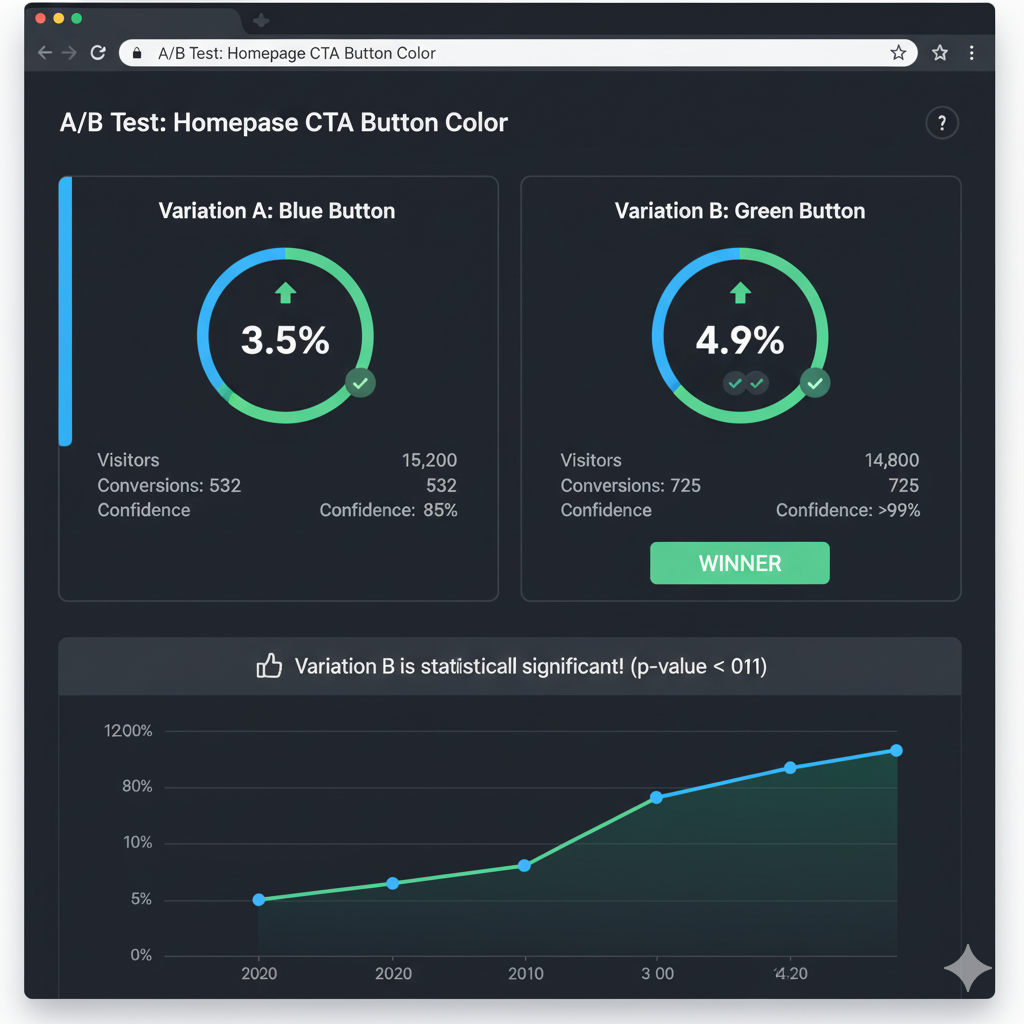
- A/B Testing: Continuously test variations in color, text, size, and placement
7. Mobile Optimization Neglect: Ignoring 60% of Web Traffic
The Problem: With mobile devices now accounting for over 60% of global web traffic, non-mobile-optimized sites create frustrating experiences for the majority of your audience.
Mobile-First Solutions:
- Responsive Design Implementation: Ensure seamless adaptation across all screen sizes
- Touch-Friendly Interface: Design elements optimized for finger navigation
- Mobile Speed Optimization: Implement aggressive image compression and loading strategies
- Simplified Mobile Navigation: Use collapsible menus and intuitive touch gestures
- Cross-Device Testing: Validate functionality across various mobile devices and operating systems
Advanced Conversion Psychology Strategies
Leveraging Social Proof for Maximum Impact
Social proof operates on the psychological principle that people look to others' behavior to guide their own decisions. Salesforce research indicates that 91% of customers are more likely to purchase from brands with positive reviews and social validation.
Advanced Social Proof Techniques:
- Detailed Customer Stories: Share comprehensive case studies with specific results and metrics
- Real-Time Social Proof: Display recent purchase notifications and current user activity
- Authority Endorsements: Highlight media mentions, industry awards, and expert recommendations
- User-Generated Content: Showcase customer photos, videos, and authentic experiences
- Quantified Success: Display specific numbers of satisfied customers, projects completed, or results achieved
Ethical Urgency and Scarcity Implementation
Creating genuine urgency taps into the psychological fear of missing out (FOMO), but these tactics must be authentic to maintain long-term trust and credibility.
Authentic Urgency Strategies:
- Limited-Time Offers: Use countdown timers for genuine promotional periods
- Inventory Transparency: Display actual stock levels when quantities are truly limited
- Seasonal Promotions: Align special offers with natural calendar events
- Early Access Benefits: Provide exclusive opportunities for newsletter subscribers or loyal customers
- Event-Based Urgency: Create time-sensitive offers around product launches or special occasions
Personalization and Behavioral Targeting
Personalized website experiences can increase conversion rates by up to 19%, according to Monetate's comprehensive analysis.
Effective Personalization Strategies:
- Geographic Customization: Display location-relevant content, pricing, and offers
- Behavioral Segmentation: Show products and content based on browsing history and past interactions
- Visitor Type Recognition: Customize experiences for new visitors versus returning customers
- Dynamic Content Delivery: Use AI to present the most relevant products and information
- Retargeting Campaigns: Implement behavioral triggers to re-engage interested visitors
Measuring Success: Essential Conversion Metrics
Key Performance Indicators (KPIs) to Monitor
Successful conversion optimization requires tracking the right metrics and understanding their interconnected relationships:
- Overall Conversion Rate: Percentage of visitors completing desired actions
- Micro-Conversion Rates: Smaller actions leading to main conversions (email signups, page views)
- Bounce Rate Analysis: Percentage of single-page sessions and exit points
- Average Session Duration: Time investment indicating engagement levels
- Pages Per Session: Depth of exploration and content consumption
- Cart Abandonment Rate: E-commerce specific metric for checkout optimization
- Customer Acquisition Cost (CAC): Total investment required to acquire each customer
- Customer Lifetime Value (CLV): Long-term revenue potential from each conversion
A/B Testing for Data-Driven Optimization
Systematic A/B testing removes guesswork from conversion optimization, allowing you to make evidence-based decisions about what actually improves performance.
Professional Testing Framework:
- Hypothesis Development: Create clear, testable predictions about what will improve conversions
- Single Variable Testing: Test one element at a time for statistically significant results
- Statistical Significance: Ensure adequate sample sizes and confidence levels
- Test Duration: Run tests long enough to account for traffic variations and seasonal patterns
- Implementation Planning: Have clear processes for implementing winning variations
Professional Tools and Resources
Essential Analytics and Testing Platforms
- Google Analytics 4: Comprehensive, free analytics platform with advanced conversion tracking
- Hotjar: Heatmap analysis and user session recordings for behavioral insights
- Optimizely: Enterprise-level A/B testing and experimentation platform
- Crazy Egg: Click tracking and scroll mapping for user behavior analysis
- Google Optimize: Free A/B testing integration with Google Analytics
- Mixpanel: Advanced event tracking and cohort analysis for SaaS businesses
Professional Website Development for Conversions
While you can implement many optimization strategies independently, achieving dramatic conversion improvements often requires professional expertise. At GoFastOnline, we specialize in creating websites engineered specifically for conversion optimization.
🚀 Professional Conversion-Optimized Websites Include:
- Lightning-fast loading speeds with advanced optimization techniques
- Strategic trust signal placement and social proof integration
- Intuitive user experience design with clear conversion funnels
- Mobile-first responsive design for all device types
- SEO optimization for increased organic traffic
- Advanced analytics setup for continuous improvement
Your Strategic Action Plan for Higher Conversions
Converting more website visitors isn't about implementing every tactic simultaneously—it's about systematically identifying and eliminating the biggest barriers to conversion. Start with foundational elements and build upon proven improvements.
Phase 1: Foundation (Weeks 1-2)
- Speed Audit: Analyze current loading speeds and implement critical optimizations
- Mobile Assessment: Ensure seamless mobile experiences across all pages
- Trust Signal Integration: Add security badges, testimonials, and credibility indicators
Phase 2: Optimization (Weeks 3-4)
- Value Proposition Refinement: Clarify and strengthen your unique selling proposition
- CTA Enhancement: Optimize button design, placement, and messaging
- Form Simplification: Reduce friction in your conversion forms and checkout process
Phase 3: Testing and Refinement (Ongoing)
- A/B Testing Implementation: Begin systematic testing of key elements
- Analytics Setup: Implement comprehensive tracking and reporting
- Continuous Improvement: Regular analysis and optimization based on data insights
💡 The Conversion Impact Reality
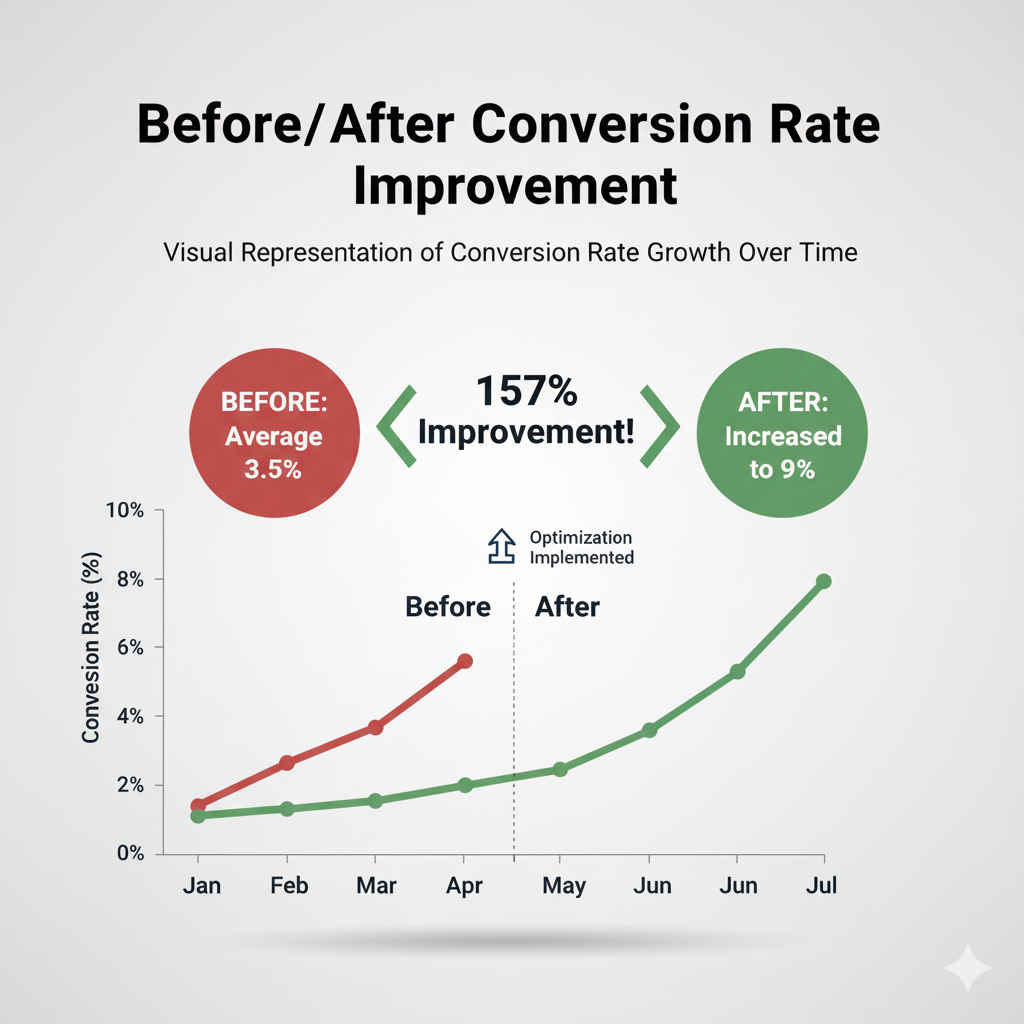
A website improving from 2% to 3% conversion rate generates 50% more sales from identical traffic—that's the power of optimization.
Ready to Transform Your Website Performance?
Conversion optimization is both an art and a science—combining psychological insights with technical expertise to create websites that not only attract visitors but convert them into valuable customers.
Remember, even small improvements in conversion rate can have dramatic effects on your business success. The difference between a 2% and 4% conversion rate isn't just doubling your results—it's often the difference between struggling and thriving in the digital marketplace.
Take Action Today: Contact our conversion optimization specialists for a comprehensive website audit and personalized strategy to maximize your conversion potential.