
Every 39 seconds, a cyberattack occurs somewhere on the web. With cybercrime damages projected to reach $10.5 trillion annually by 2025, website security has evolved from a technical consideration to a critical business imperative.
Small and medium businesses are particularly vulnerable, with 43% of cyberattacks targeting SMBs. The average cost of a data breach for small businesses now exceeds $108,000—an amount that can literally destroy a company overnight.

This comprehensive guide provides actionable strategies to protect your website, customer data, and business reputation from increasingly sophisticated cyber threats.
The Current Cybersecurity Threat Landscape
Understanding the threat environment helps businesses implement appropriate security measures and allocate resources effectively.
🚨 2024 Cybersecurity Reality
- 30,000 websites are hacked daily
- 64% of companies have experienced web-based attacks
- 95% of successful cyber attacks are due to human error
- $4.45 million - average cost of a data breach in 2023
- 277 days - average time to identify and contain a breach
Most Common Website Attack Vectors
- Malware Infections (37%): Malicious software designed to damage or gain unauthorized access
- SQL Injection (24%): Attacks targeting database vulnerabilities
- Cross-Site Scripting (18%): Injection of malicious scripts into trusted websites
- DDoS Attacks (12%): Overwhelming servers with traffic to cause downtime
- Brute Force Attacks (9%): Systematic attempts to guess passwords or encryption keys
Essential Website Security Fundamentals
1. SSL/TLS Encryption: Your First Line of Defense
SSL (Secure Sockets Layer) certificates encrypt data transmitted between your website and visitors, protecting sensitive information from interception.
Critical SSL Implementation Steps:
- Certificate Selection: Choose appropriate SSL certificate type (Domain, Organization, or Extended Validation)
- Proper Installation: Ensure correct configuration across all website pages
- HTTPS Enforcement: Redirect all HTTP traffic to secure HTTPS URLs
- Mixed Content Resolution: Eliminate insecure resources on HTTPS pages
- Certificate Monitoring: Set up alerts for certificate expiration and renewal
🛡️ SSL Security Benefits
- Data encryption during transmission
- Authentication of website identity
- Improved search engine rankings
- Enhanced customer trust and confidence
- Compliance with data protection regulations
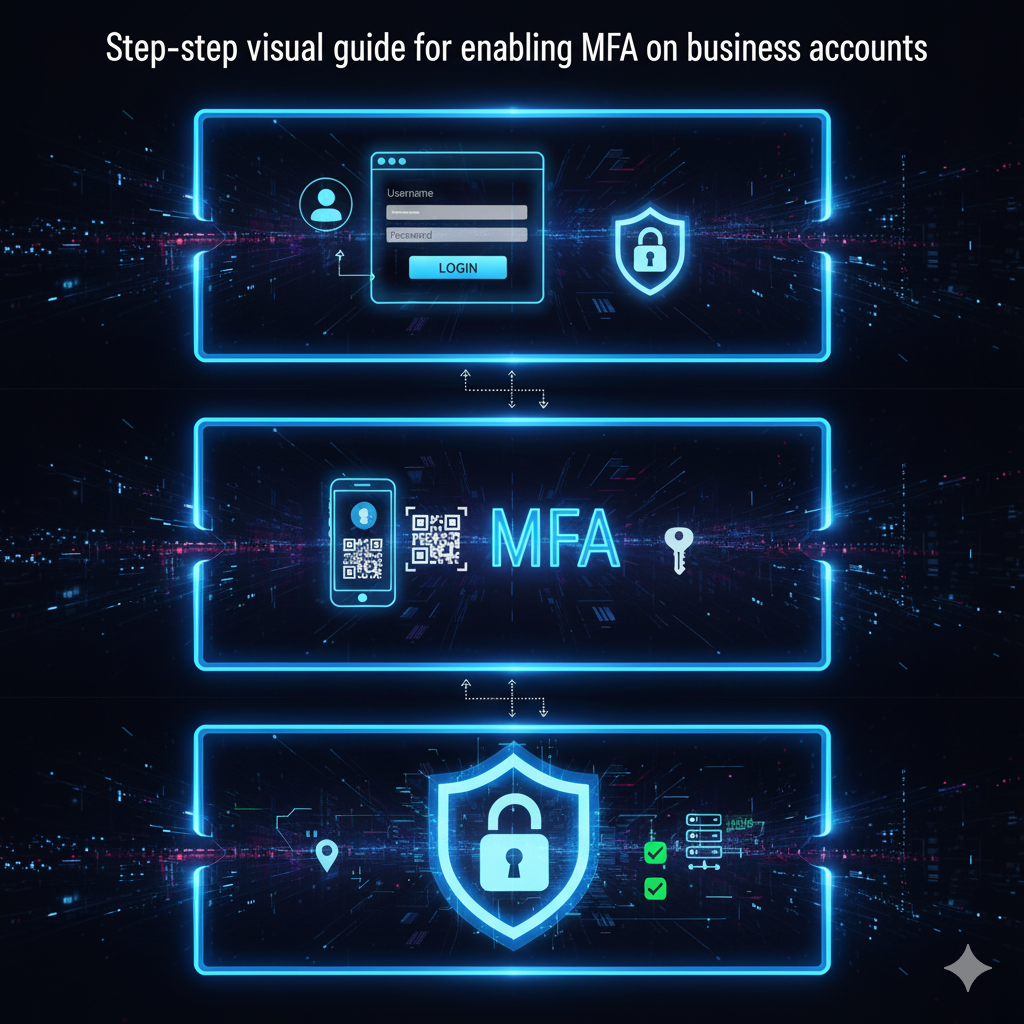
2. Strong Authentication and Access Control
Robust authentication mechanisms prevent unauthorized access to your website's administrative areas and sensitive data.
Authentication Best Practices:
- Multi-Factor Authentication (MFA): Require additional verification beyond passwords
- Strong Password Policies: Enforce complex, unique passwords for all accounts
- Role-Based Access Control: Limit user permissions to minimum necessary levels
- Regular Access Audits: Review and update user permissions periodically
- Session Management: Implement secure session handling and automatic timeouts
3. Regular Software Updates and Patch Management
Outdated software represents one of the most common security vulnerabilities, with 60% of breaches attributed to unpatched vulnerabilities.
Comprehensive Update Strategy:
- Automated Core Updates: Enable automatic updates for critical security patches
- Plugin and Theme Management: Regularly update all third-party components
- Security Monitoring: Track security advisories for your technology stack
- Testing Environment: Test updates in staging before applying to production
- Update Documentation: Maintain logs of all updates and changes
Advanced Security Measures for Business Protection
Web Application Firewall (WAF) Implementation
A WAF acts as a protective barrier between your website and potential threats, filtering malicious traffic before it reaches your server.
WAF Benefits and Features:
- Real-time Threat Detection: Identify and block malicious requests instantly
- DDoS Protection: Absorb and mitigate distributed denial-of-service attacks
- Bot Management: Distinguish between legitimate users and malicious bots
- Content Filtering: Block access to inappropriate or dangerous content
- Geographic Restrictions: Control access based on user location
🛡️ WAF Effectiveness
Websites with properly configured WAFs experience 90% fewer successful attacks - Cybersecurity Research Institute
Database Security Hardening
Database vulnerabilities can expose your most sensitive information, making database security critical for business protection.
Database Security Measures:
- Access Control: Implement strict database user permissions and roles
- Encryption: Encrypt sensitive data both at rest and in transit
- Input Validation: Sanitize all user inputs to prevent injection attacks
- Regular Backups: Maintain secure, tested backup and recovery procedures
- Activity Monitoring: Log and monitor all database access and modifications
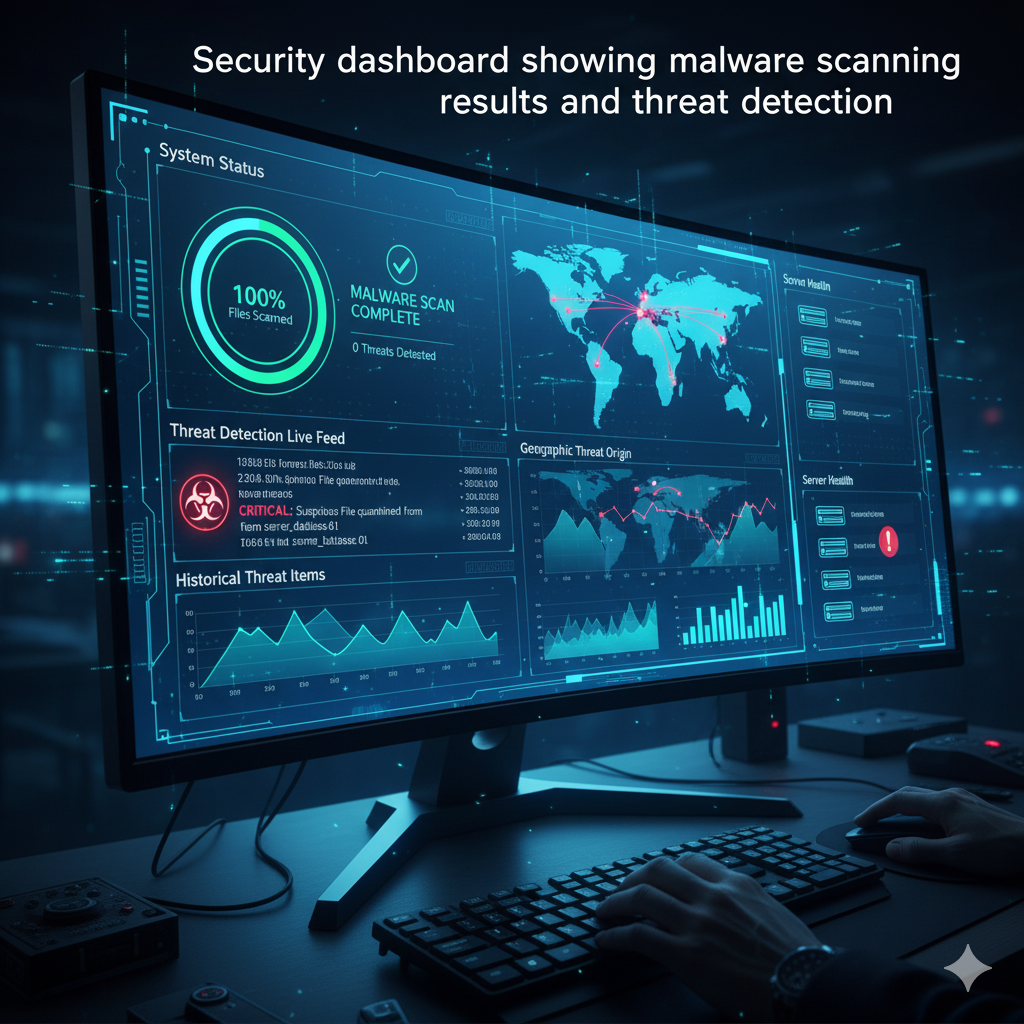
Malware Detection and Prevention
Proactive malware protection prevents infections that could compromise your website and customer data.
Comprehensive Malware Protection Strategy:
- Real-time Scanning: Continuous monitoring for malicious code and suspicious activity
- File Integrity Monitoring: Alert systems for unauthorized file changes
- Quarantine Procedures: Automatic isolation of infected files and systems
- Clean-up Protocols: Systematic removal of malware and restoration procedures
- Prevention Measures: Implement security policies to prevent future infections
Data Protection and Privacy Compliance
GDPR and Privacy Regulation Compliance
Data protection regulations like GDPR, CCPA, and others require businesses to implement specific security measures and privacy protections.
Compliance Requirements:
- Data Minimization: Collect only necessary personal information
- Consent Management: Obtain and document explicit user consent
- Right to be Forgotten: Implement data deletion capabilities
- Breach Notification: Establish procedures for reporting security incidents
- Privacy by Design: Build privacy considerations into system architecture
Secure Payment Processing
E-commerce websites must implement PCI DSS compliance and secure payment handling to protect customer financial data.
Payment Security Best Practices:
- PCI DSS Compliance: Adhere to Payment Card Industry security standards
- Tokenization: Replace sensitive card data with secure tokens
- Secure Transmission: Encrypt all payment data during transmission
- Third-party Processors: Use certified payment gateways and processors
- Regular Audits: Conduct periodic security assessments and compliance reviews
Backup and Disaster Recovery Strategies
Comprehensive Backup Planning
Effective backup strategies ensure business continuity even in the event of successful cyberattacks or system failures.
Backup Best Practices:
- 3-2-1 Rule: Maintain 3 copies of data, on 2 different media, with 1 offsite
- Automated Scheduling: Regular, automated backups without manual intervention
- Versioning: Keep multiple backup versions for point-in-time recovery
- Testing Procedures: Regularly test backup restoration processes
- Documentation: Maintain detailed recovery procedures and contact information
💾 Critical Backup Components
- Website Files: All code, themes, plugins, and configuration files
- Database Content: Complete database dumps with all user data
- Media Assets: Images, videos, documents, and uploaded files
- Configuration Settings: Server configurations and environment variables
- SSL Certificates: Security certificates and private keys
Incident Response Planning
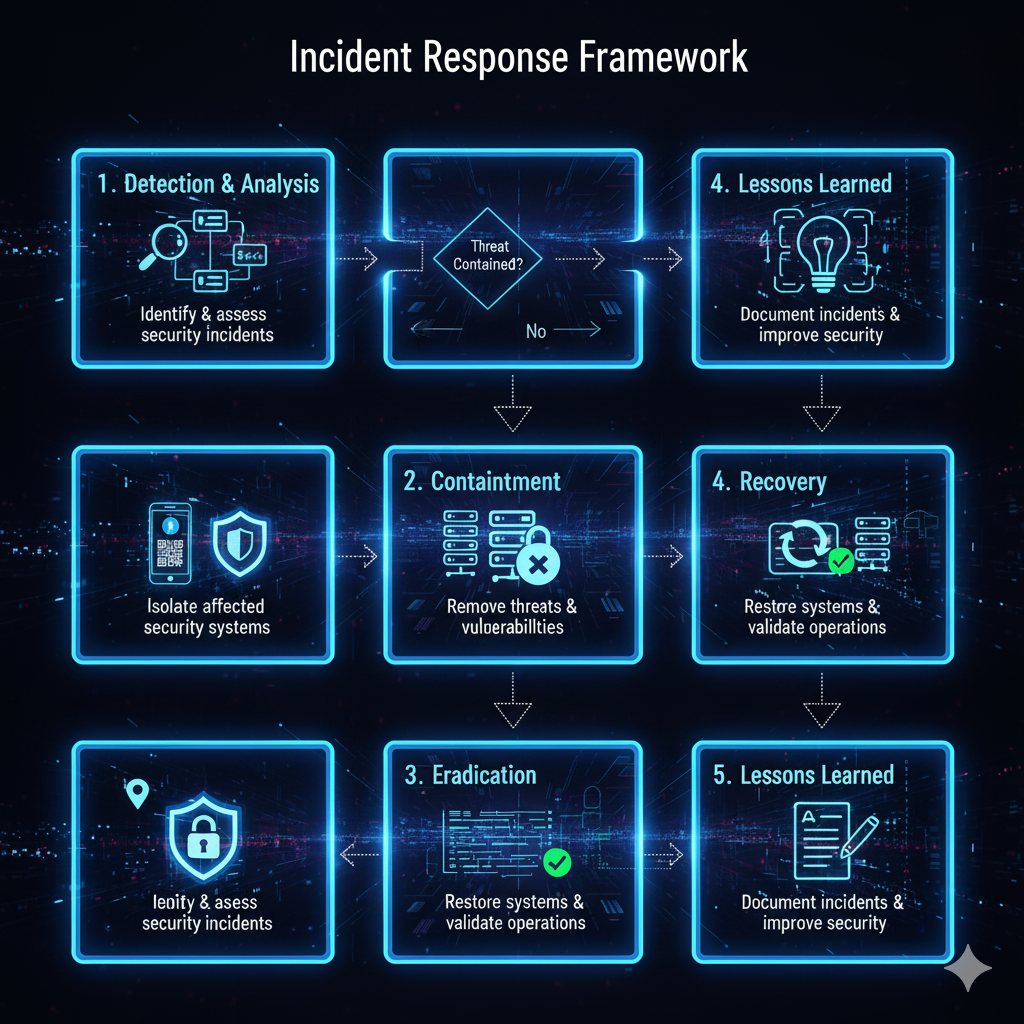
Prepare for security incidents with documented response procedures that minimize damage and recovery time.
Incident Response Framework:
- Detection and Analysis: Identify and assess the scope of security incidents
- Containment: Isolate affected systems to prevent further damage
- Eradication: Remove threats and vulnerabilities from affected systems
- Recovery: Restore systems and validate normal operations
- Lessons Learned: Document incidents and improve security measures
Security Monitoring and Maintenance
Continuous Security Monitoring
Proactive monitoring helps detect threats before they cause significant damage to your business operations.
Monitoring Components:
- Log Analysis: Review server logs for suspicious activity and attack patterns
- Uptime Monitoring: Track website availability and performance metrics
- Vulnerability Scanning: Regular automated scans for security weaknesses
- Traffic Analysis: Monitor unusual traffic patterns and potential attacks
- Security Alerts: Automated notifications for potential security incidents
Regular Security Audits
Systematic security assessments help identify vulnerabilities and ensure compliance with security best practices.
Audit Schedule and Components:
- Monthly Reviews: Basic security checks and log analysis
- Quarterly Assessments: Comprehensive vulnerability scans and penetration testing
- Annual Audits: Complete security posture evaluation and compliance review
- Post-Incident Reviews: Detailed analysis following any security incidents
- Third-party Assessments: Independent security evaluations by external experts
⚠️ Detection Timeline
Organizations with comprehensive monitoring detect breaches 200 days faster than those without - IBM Security Report
Employee Training and Security Awareness
Human Factor Security
Since 95% of successful cyberattacks result from human error, employee training represents a critical security investment.
Training Program Components:
- Phishing Recognition: Identify and respond to social engineering attempts
- Password Security: Create and manage strong, unique passwords
- Safe Browsing: Recognize and avoid malicious websites and downloads
- Data Handling: Proper procedures for sensitive information management
- Incident Reporting: Clear protocols for reporting suspicious activity
Security Culture Development
Build a company-wide security mindset that makes cybersecurity everyone's responsibility.
Culture Building Strategies:
- Leadership Commitment: Executive support and participation in security initiatives
- Regular Communication: Ongoing security updates and awareness campaigns
- Positive Reinforcement: Recognize and reward good security practices
- Continuous Education: Regular training updates and skill development
- Simulation Exercises: Practice incident response and security procedures

GoFastOnline's Security-First Approach
🛡️ Our Comprehensive Security Framework
Security by Design: We build security considerations into every aspect of website development, from initial planning through ongoing maintenance.
Multi-Layer Protection: Our websites feature redundant security measures including WAF, malware scanning, automated backups, and continuous monitoring.
Compliance Expertise: We ensure your website meets all relevant data protection and industry compliance requirements.
Proactive Monitoring: Our security team monitors client websites 24/7 for threats and responds immediately to potential incidents.
Our Security Services Include:
- Security Audits: Comprehensive assessments of your current security posture
- Penetration Testing: Simulated attacks to identify vulnerabilities
- Malware Removal: Expert cleanup and restoration services
- Security Hardening: Implementation of advanced protection measures
- Compliance Consulting: Guidance on regulatory requirements and implementation
Cost-Effective Security Investment Strategies
Prioritizing Security Investments
Maximize security effectiveness by focusing resources on the most critical vulnerabilities and highest-impact solutions.
🎯 Security Investment Priority Framework
Tier 1 - Essential (Immediate Implementation):
- SSL certificate and HTTPS implementation
- Strong authentication and password policies
- Regular software updates and patch management
- Basic backup and recovery procedures
Tier 2 - Important (3-6 months):
- Web Application Firewall deployment
- Malware detection and prevention systems
- Security monitoring and logging
- Employee training programs
Tier 3 - Advanced (6-12 months):
- Penetration testing and vulnerability assessments
- Advanced threat detection systems
- Compliance certification processes
- Disaster recovery testing and optimization
Security ROI Calculation
Understand the financial benefits of security investments by calculating potential loss prevention.
Security Investment Analysis:
- Potential Loss Calculation: Estimate costs of successful attacks on your business
- Insurance Considerations: Factor in cyber insurance premiums and coverage
- Compliance Costs: Account for regulatory fines and compliance requirements
- Reputation Value: Consider the cost of brand damage and customer loss
- Business Continuity: Calculate the value of uninterrupted operations
💰 Security Investment ROI
Every $1 invested in cybersecurity saves an average of $5 in potential breach costs - Ponemon Institute
Your Website Security Action Plan
Phase 1: Immediate Security Essentials (Week 1-2)
- SSL Implementation: Install and configure SSL certificates
- Password Security: Update all accounts with strong, unique passwords
- Software Updates: Update all platforms, plugins, and themes
- Basic Backups: Implement automated backup procedures
Phase 2: Enhanced Protection (Week 3-8)
- WAF Deployment: Install and configure web application firewall
- Monitoring Setup: Implement security monitoring and alerting
- Employee Training: Conduct cybersecurity awareness training
- Access Control: Review and restrict user permissions
Phase 3: Advanced Security (Month 3-6)
- Security Audit: Conduct comprehensive vulnerability assessment
- Incident Response: Develop and test incident response procedures
- Compliance Review: Ensure regulatory compliance requirements
- Continuous Improvement: Establish ongoing security optimization
Ready to Secure Your Digital Assets?
Website security isn't optional in today's threat landscape—it's a fundamental business requirement. The cost of prevention is always less than the cost of recovery, and proactive security measures can save your business from devastating cyberattacks.
Don't wait for a security incident to realize the importance of comprehensive protection. Start implementing these security measures today, and consider partnering with security experts who can provide ongoing protection and peace of mind.
Need expert help securing your website? Contact GoFastOnline today for a comprehensive security assessment and customized protection strategy for your business.
About GoFastOnline
Our cybersecurity experts have protected hundreds of business websites from cyber threats. We provide comprehensive security solutions, from basic protection to enterprise-level security frameworks, ensuring your digital assets remain safe and secure.
Protect your business with expert security. Visit GoFastOnline.co to learn how we can secure your website and protect your business from cyber threats.