
Choosing the wrong web development company can cost you thousands of dollars, months of wasted time, and significant damage to your business reputation. With over 26,000 web development agencies in the United States alone, making the right choice feels overwhelming.
Yet, the difference between hiring the right development partner and the wrong one can literally transform your business. The right team will create a website that drives growth, while the wrong team can leave you with an expensive digital disaster that hurts more than it helps.

This comprehensive guide will equip you with the knowledge and framework to select a web development company that delivers exceptional results, stays within budget, and becomes a true strategic partner for your business growth.
The Hidden Costs of Choosing the Wrong Web Development Company
Before diving into selection criteria, it's crucial to understand what's at stake. Industry research shows that 70% of web development projects fail to meet their original objectives, with poor vendor selection being the primary contributing factor.
⚠️ Project Failure Reality
Average cost overrun for failed web projects: 189% of original budget - Standish Group Research
Common consequences of poor development company selection include:
- Budget Overruns: Projects costing 2-3x more than initially quoted
- Timeline Delays: Launches delayed by 6+ months beyond promised delivery dates
- Quality Issues: Websites that don't work properly or look unprofessional
- SEO Problems: Sites built without search engine optimization, limiting visibility
- Security Vulnerabilities: Poor coding practices leading to hacking risks
- Maintenance Nightmares: Ongoing technical problems requiring expensive fixes
Essential Criteria for Evaluating Web Development Companies
1. Portfolio Quality and Relevance
A company's portfolio provides the most reliable indicator of their capabilities and design sensibilities. However, not all portfolios are created equal.
Portfolio Evaluation Framework:
- Industry Relevance: Look for projects in your industry or similar business models
- Design Quality: Assess whether their aesthetic matches your brand vision
- Functionality Demonstration: Verify that portfolio sites actually work well and load quickly
- Results Documentation: Seek case studies showing measurable business outcomes
- Recent Work: Ensure examples represent current capabilities, not outdated projects
- Diverse Complexity: Confirm they can handle projects of your scope and complexity
💡 Portfolio Red Flags to Avoid
- All portfolio sites look similar or use the same template
- Portfolio sites have broken links or don't load properly
- No case studies or measurable results provided
- Portfolio only shows visual designs, not actual functioning websites
- All examples are from several years ago
2. Technical Expertise and Modern Practices
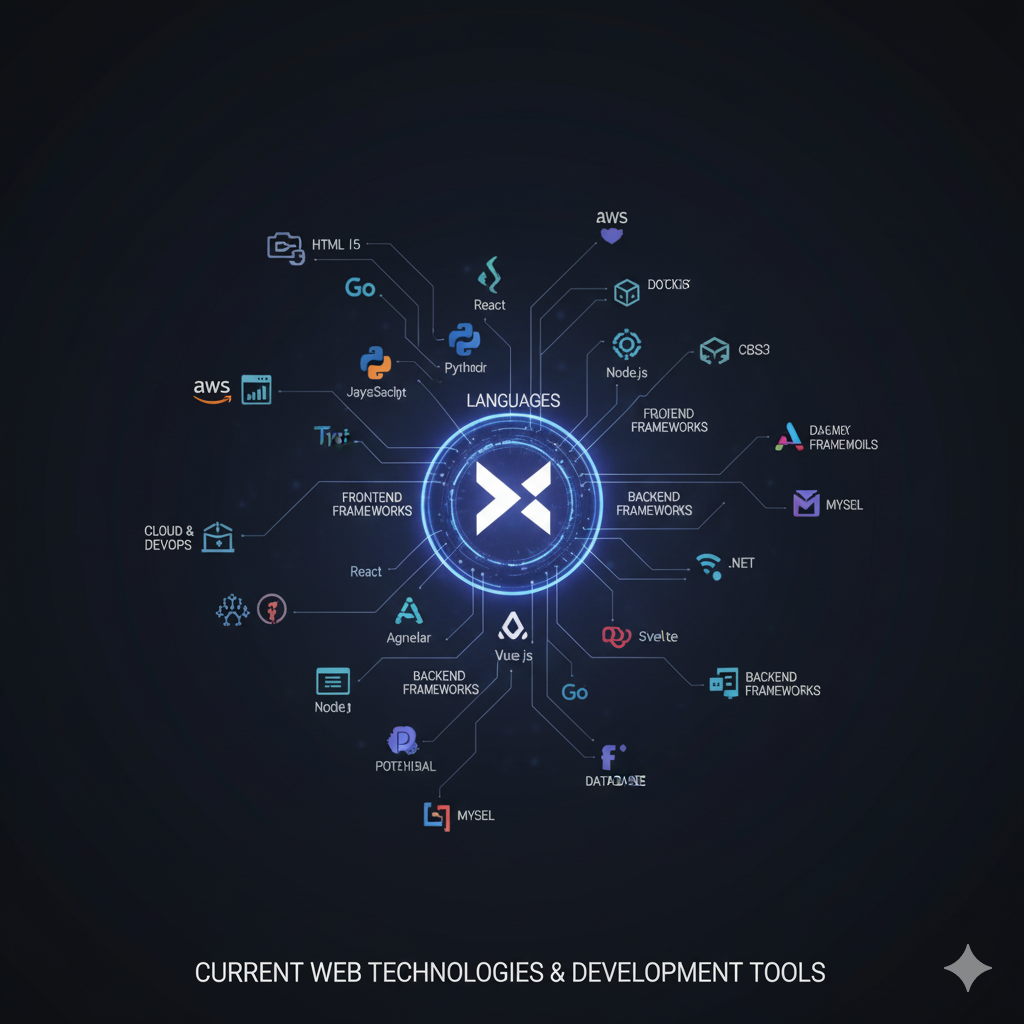
Web development evolves rapidly, and your chosen company must stay current with best practices, security standards, and emerging technologies.
Technical Competency Assessment:
- Mobile-First Development: Expertise in responsive design and mobile optimization
- Performance Optimization: Knowledge of speed optimization and Core Web Vitals
- SEO Integration: Understanding of technical SEO and search engine requirements
- Security Protocols: Implementation of SSL, secure coding practices, and data protection
- Accessibility Compliance: Knowledge of WCAG guidelines and inclusive design
- Platform Expertise: Proficiency in relevant CMS platforms (WordPress, Shopify, custom solutions)
- Integration Capabilities: Experience with third-party tools, APIs, and business systems
3. Communication and Project Management Excellence
Technical skills mean nothing without clear communication and professional project management. Poor communication is the leading cause of project failures.
Communication Evaluation Criteria:
- Response Time: How quickly they respond to initial inquiries and ongoing communications
- Clarity of Explanation: Ability to explain technical concepts in understandable terms
- Project Planning: Detailed project timelines, milestones, and deliverable descriptions
- Regular Updates: Established protocols for keeping clients informed of progress
- Problem-Solving Approach: How they handle challenges and unexpected issues
- Availability: Clear working hours and contact methods for urgent matters
4. Client References and Reviews
Past client experiences provide invaluable insights into what working with the company actually feels like beyond marketing materials.
Reference Check Strategy:
- Recent Client Contacts: Request references from projects completed within the last year
- Similar Project Experience: Speak with clients who had projects similar to yours
- Specific Questions: Ask about communication, timeline adherence, and post-launch support
- Online Reviews: Check Google, Clutch, and industry-specific review platforms
- Long-term Relationships: Look for evidence of ongoing client relationships
🎯 Reference Check Impact
92% of buyers trust referrals from people they know - Nielsen Consumer Trust Index
Red Flags That Should Make You Run
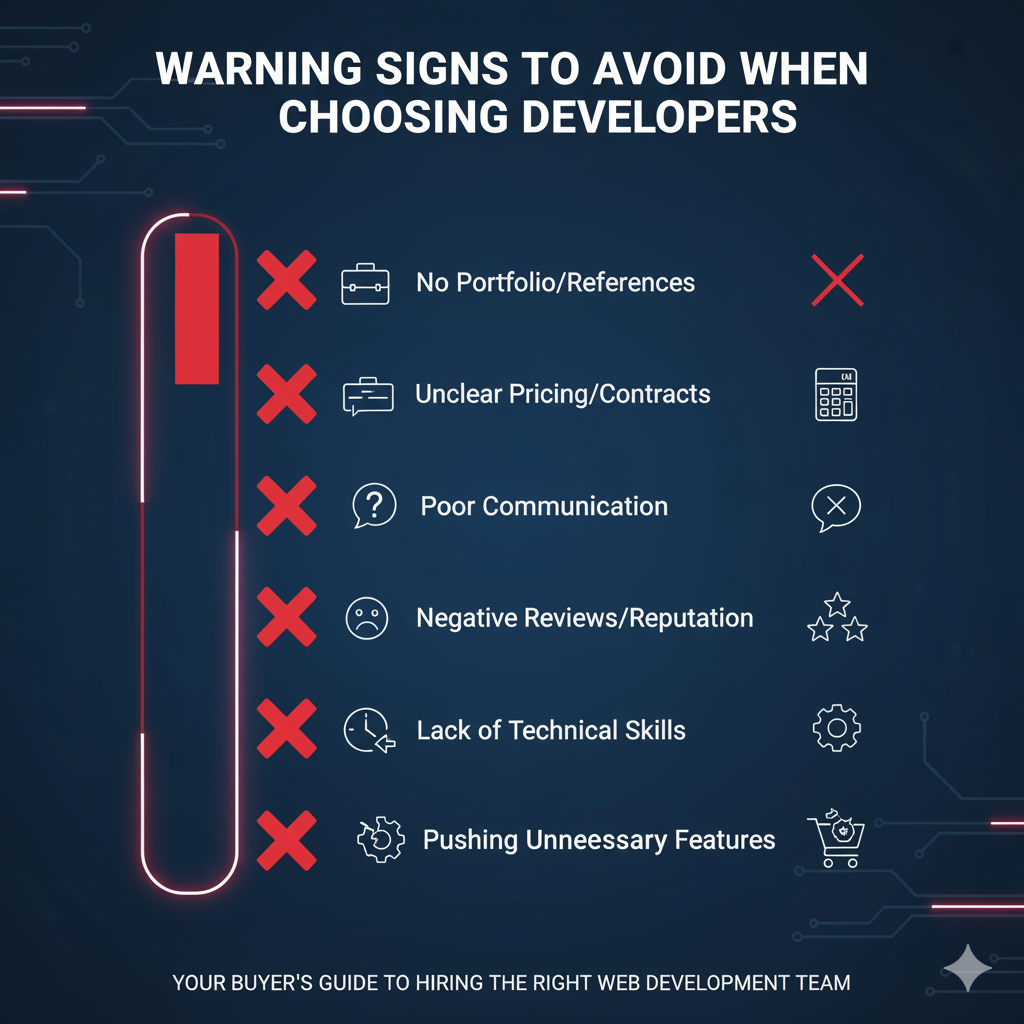
Pricing and Contract Warning Signs
- Quotes Significantly Below Market Rate: If it seems too good to be true, it probably is
- No Detailed Project Scope: Vague descriptions that allow for unlimited scope creep
- 100% Payment Upfront: Legitimate companies use milestone-based payment structures
- No Contract or Extremely Basic Agreement: Lack of legal protection for both parties
- Hidden Costs: Additional fees not disclosed upfront for hosting, maintenance, or revisions
Communication and Professionalism Red Flags
- Poor Response Times: Taking days to respond to inquiries during the sales process
- Pressure Tactics: Pushing for immediate decisions without time for consideration
- Inability to Explain Process: Cannot clearly articulate their development methodology
- No Project Manager: Unclear who will be your primary point of contact
- Unrealistic Promises: Guaranteeing impossible timelines or unrealistic results
The Right Questions to Ask Potential Development Partners
Project Scope and Timeline Questions
- "Can you provide a detailed project timeline with specific milestones?"
- "What happens if the project timeline needs to be adjusted?"
- "How do you handle scope changes and additional feature requests?"
- "What is included in your testing and quality assurance process?"
- "How many rounds of revisions are included in your proposal?"
Technical and Support Questions
- "What content management system do you recommend and why?"
- "How will you optimize the website for search engines?"
- "What hosting recommendations do you have and why?"
- "What kind of ongoing maintenance and support do you provide?"
- "How do you ensure website security and regular updates?"
Business and Process Questions
- "Who will be my primary point of contact throughout the project?"
- "How do you handle communication and project updates?"
- "What is your payment structure and when are payments due?"
- "Can you provide references from recent clients with similar projects?"
- "What happens if we're not satisfied with the final result?"
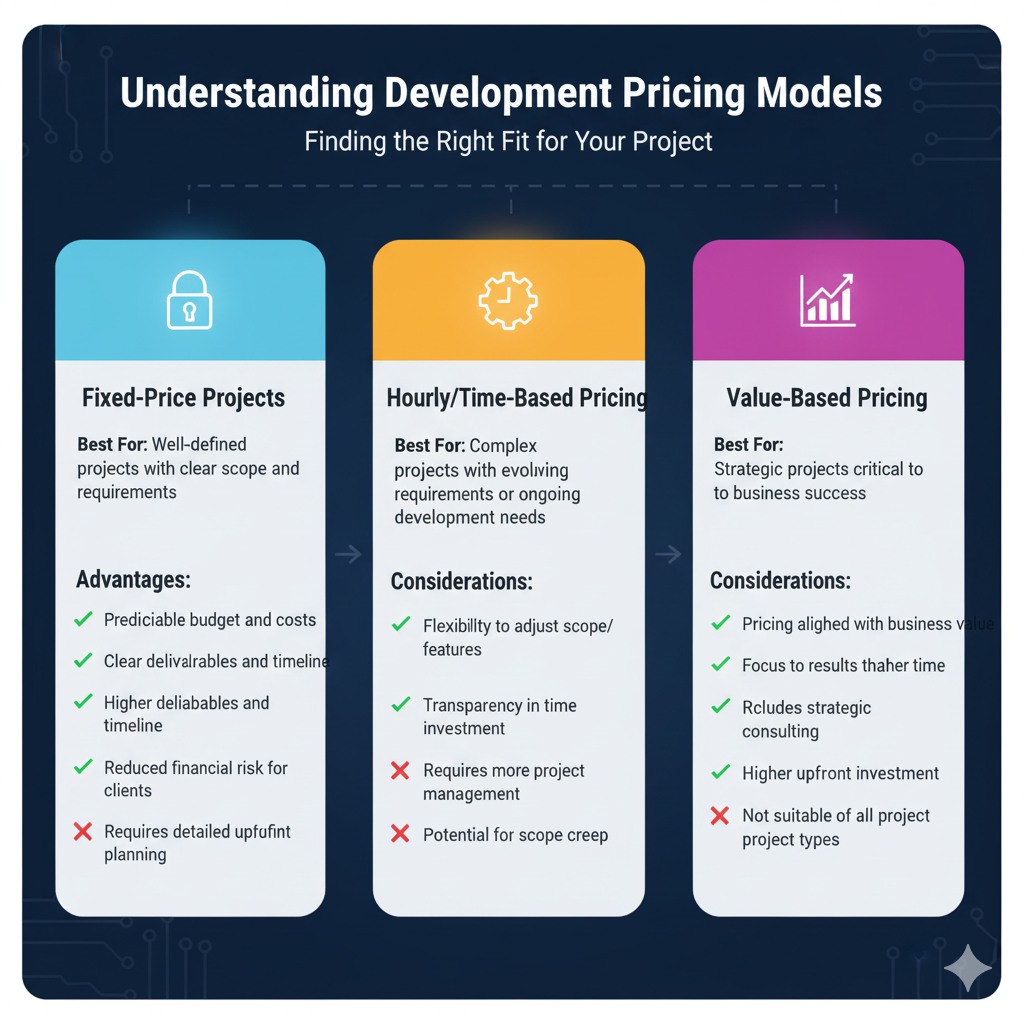
Understanding Development Pricing Models
Fixed-Price Projects
Best For: Well-defined projects with clear scope and requirements
Advantages:
- Predictable budget and costs
- Clear deliverables and timeline
- Reduced financial risk for clients
Considerations:
- Limited flexibility for changes
- May result in higher initial quotes to account for risk
- Requires detailed upfront planning
Hourly/Time-Based Pricing
Best For: Complex projects with evolving requirements or ongoing development needs
Advantages:
- Flexibility to adjust scope and features
- Transparency in time investment
- Often lower initial cost estimates
Considerations:
- Budget can be harder to predict
- Requires more project management oversight
- Potential for scope creep
Value-Based Pricing
Best For: Strategic projects where the website is critical to business success
Advantages:
- Pricing aligned with business value
- Focus on results rather than time
- Often includes strategic consulting
Considerations:
- Higher upfront investment
- Requires clear ROI metrics
- Not suitable for all project types
Specialized Considerations for Different Business Types
E-commerce Businesses
Critical Requirements:
- E-commerce Platform Expertise: Deep knowledge of Shopify, WooCommerce, or Magento
- Payment Integration: Experience with multiple payment gateways and security compliance
- Inventory Management: Understanding of product catalog management and inventory systems
- Performance Optimization: Expertise in optimizing for large product catalogs
- Conversion Optimization: Knowledge of e-commerce UX best practices
Service-Based Businesses
Key Focus Areas:
- Lead Generation: Experience with contact forms, calls-to-action, and conversion optimization
- Local SEO: Understanding of local search optimization and Google My Business integration
- Appointment Booking: Integration with scheduling systems and calendar tools
- Portfolio Presentation: Ability to showcase services and case studies effectively
- Trust Building: Knowledge of testimonial presentation and credibility indicators
Content-Heavy Websites
Essential Capabilities:
- Content Management: Advanced CMS customization and user-friendly editing interfaces
- Search Functionality: Robust internal search capabilities
- Performance with Content: Optimization techniques for content-heavy sites
- Content Organization: Expertise in information architecture and navigation design
- SEO for Content: Understanding of content SEO and technical optimization
The GoFastOnline Approach: What Sets Us Apart
🚀 Why Clients Choose GoFastOnline
Transparent Process: We provide detailed project timelines, milestone-based payments, and regular progress updates so you always know where your project stands.
Proven Results: Our websites aren't just beautiful—they're engineered for conversions, with an average 127% improvement in lead generation for our clients.
Strategic Partnership: We don't just build websites; we become your long-term digital growth partner, providing ongoing optimization and support.
Quality Assurance: Every website undergoes rigorous testing for performance, security, and functionality before launch.
Our Client-Centric Development Process
- Discovery Phase: Comprehensive analysis of your business goals, target audience, and competitive landscape
- Strategic Planning: Detailed project roadmap with clear milestones and deliverables
- Design & Development: Collaborative creation process with regular checkpoints and feedback sessions
- Testing & Optimization: Thorough quality assurance testing across all devices and browsers
- Launch & Beyond: Smooth deployment with ongoing support and optimization services
Making Your Final Decision: A Practical Framework
Evaluation Scorecard
Use this framework to objectively compare potential development partners:
📊 Development Company Evaluation Criteria (Score 1-10)
- Portfolio Quality & Relevance: ___/10
- Technical Expertise: ___/10
- Communication & Responsiveness: ___/10
- Client References & Reviews: ___/10
- Project Management Process: ___/10
- Pricing Transparency & Value: ___/10
- Post-Launch Support: ___/10
- Cultural Fit: ___/10
Total Score: ___/80
Companies scoring 60+ are worth serious consideration. Scores below 50 indicate significant red flags.
Final Decision Factors
When making your final choice, consider these weighted factors:
- Quality of Work (30%): Portfolio quality and client results
- Communication & Process (25%): How well they manage projects and communicate
- Technical Expertise (20%): Depth of knowledge in relevant technologies
- Value for Investment (15%): Not just lowest price, but best value proposition
- Cultural Fit (10%): How well you work together and share values

Avoiding Common Selection Mistakes
The Biggest Mistakes Business Owners Make
- Choosing Based on Price Alone: The cheapest option often becomes the most expensive
- Not Checking References: Skipping due diligence on past client experiences
- Unclear Project Scope: Starting projects without detailed requirements documentation
- Ignoring Red Flags: Proceeding despite warning signs during the selection process
- No Contract Review: Not having legal counsel review development agreements
- Unrealistic Expectations: Expecting complex projects to be completed unrealistically quickly
Success Tips from Industry Experts
- Start with Strategy: Define your goals before evaluating technical solutions
- Plan for the Long Term: Consider ongoing maintenance and growth requirements
- Budget for Quality: Invest appropriately in your digital presence
- Communicate Clearly: Provide detailed requirements and feedback throughout the process
- Trust Your Instincts: If something feels wrong during selection, investigate further
💡 Success Rate Reality
Companies that invest in proper development partner selection have 3x higher project success rates - PMI Research
Your Action Plan for Selecting the Right Development Partner
Phase 1: Preparation (Week 1)
- Define Project Goals: Clearly articulate what you want to achieve with your website
- Set Realistic Budget: Research market rates and establish a realistic investment range
- Create Requirements Document: Detail your functional and design requirements
- Research Potential Companies: Identify 5-8 companies for initial evaluation
Phase 2: Evaluation (Week 2-3)
- Initial Screening: Review portfolios and eliminate obvious mismatches
- Request Proposals: Get detailed quotes from your top 3-4 candidates
- Check References: Speak with past clients about their experiences
- Compare Options: Use the evaluation scorecard to assess each company
Phase 3: Decision (Week 4)
- Final Interviews: Conduct detailed discussions with your top 2 choices
- Contract Negotiation: Review and negotiate project agreements
- Make Decision: Select your development partner
- Project Kickoff: Begin the development process with clear expectations
Ready to Find Your Perfect Development Partner?
Selecting the right web development company is one of the most important business decisions you'll make for your digital presence. The right partner will create a website that drives growth, while the wrong choice can cost you time, money, and opportunity.
Remember that the cheapest option is rarely the best value, and the most expensive doesn't guarantee the best results. Focus on finding a company that understands your business, communicates clearly, and has a proven track record of delivering results for clients like you.
Ready to work with a development team that puts your success first? Contact GoFastOnline today for a free consultation on your website project. We'll show you exactly how we approach development differently and why our clients consistently achieve exceptional results.
About GoFastOnline
We've helped hundreds of businesses select and execute successful website projects. Our transparent process, proven results, and commitment to client success make us the trusted choice for companies seeking reliable development partners.
Experience the GoFastOnline difference. Visit GoFastOnline.co to learn why we're the development partner businesses trust for their most important digital projects.